
Claire Liu-Inspired Taiwanese-American Fridge Meals: Easy Scallion Noodles and Cozy Asian Comfort Food You Can Make Tonight
Sep 16, 2026
# Claire Liu-Inspired Taiwanese-American Fridge Meals: Easy Scallion Noodles and Cozy Asian Comfort Food You Can Make Tonight
There's a kind of cooking that doesn't ask much of you. It doesn't require a grocery run or a long weekend afternoon. It asks only that you open your fridge, squint at what's left, and trust that something delicious is already there waiting. This is the philosophy behind what I like to call fridge meals — and nobody does it better than the Taiwanese-American food community, where resourcefulness and bold flavor have always gone hand in hand.
If you've spent any time on food social media, you've probably encountered the warm, unpretentious cooking style made famous by creators like Claire Liu — the kind of cooking that feels like a hug from a friend who happens to be an incredible cook. It's deeply rooted in Taiwanese home cooking traditions: umami-forward sauces, fragrant scallions, chewy noodles, and the genius use of pantry staples that transform fridge odds and ends into something extraordinary. It's food that doesn't perform. It just delivers.
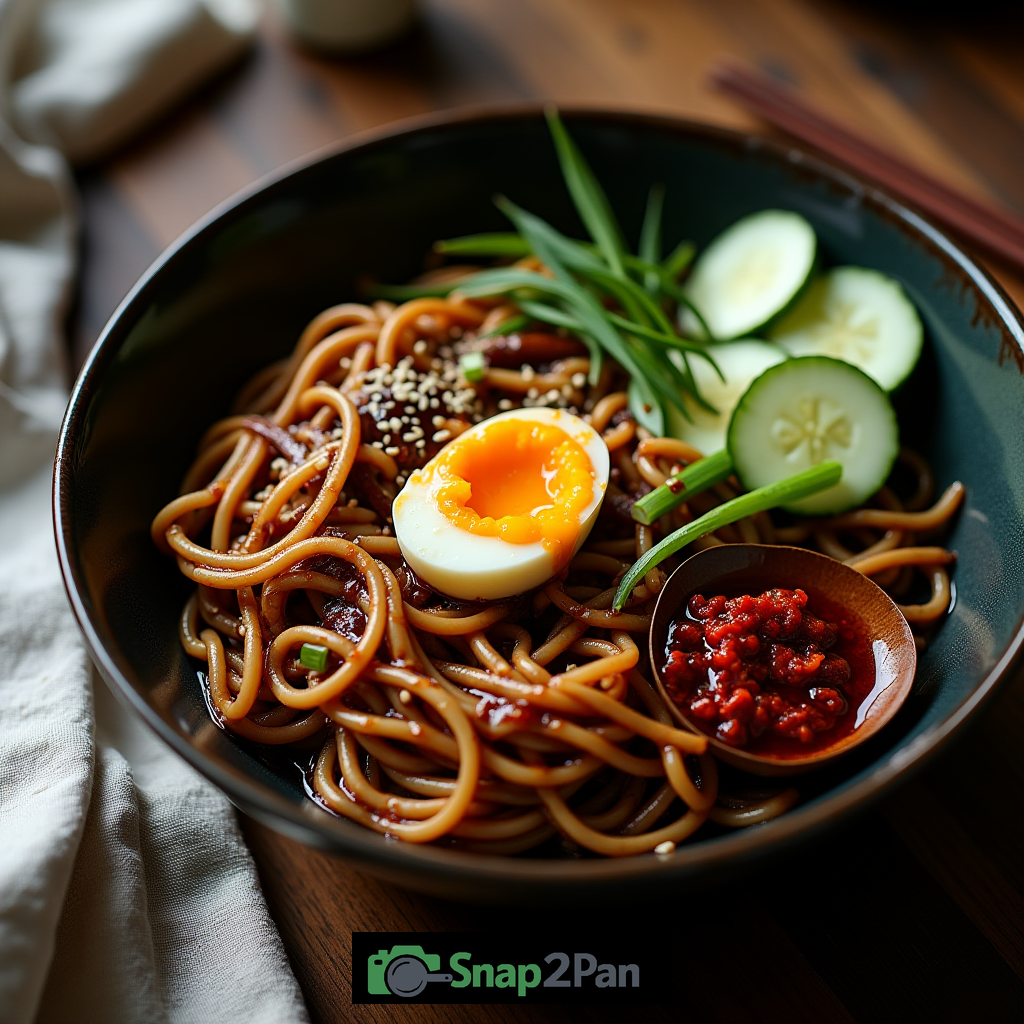
Today, we're making scallion noodles — the crown jewel of any Taiwanese-American fridge meal repertoire. They're ready in about 20 minutes, infinitely adaptable, and genuinely one of the most satisfying bowls of food you can put in front of yourself on a Tuesday night. We'll also talk through variations and add-ons so you can build your own cozy bowl from whatever you have on hand. Let's get into it.
---
Ingredients
Serves 2 generously (or 1 very hungry person)
For the noodles:
- 200g (about 7 oz) fresh or dried wheat noodles — ramen-style, lo mein, or even spaghetti in a pinch
- 1 tablespoon neutral oil (vegetable, canola, or avocado)
- 1 teaspoon sesame oil
- 1 large bunch of scallions (green onions), about 6–8 stalks
- 3 tablespoons neutral oil
- 2 tablespoons soy sauce (use tamari for gluten-free)
- 1 tablespoon dark soy sauce — this is the secret; it adds color and a mellow sweetness. Sub with regular soy sauce + a tiny pinch of sugar if needed.
- 1 teaspoon sesame oil
- 1 teaspoon rice vinegar or black vinegar for a little brightness
- ½ teaspoon sugar
- ½ teaspoon white pepper (or black pepper — white is more traditional and slightly sharper)
- Optional: ¼ teaspoon chili flakes or a drizzle of chili crisp for heat
- Soft or medium-boiled eggs (jammy, 6-minute eggs are ideal)
- Cucumber, thinly sliced or smashed
- Leftover rotisserie chicken, shredded
- Edamame or frozen peas, thawed
- Sesame seeds
- Nori strips or furikake
- A spoonful of chili crisp — always
---
Instructions
- Prep your scallions. Rinse and dry your scallions thoroughly — any water will cause the hot oil to sputter dangerously. Slice the white and light green parts into 1-inch pieces, and thinly slice the dark green tops separately. Keep them in two separate piles. The white/light parts will go into the oil; the dark greens are for garnish.
- Make your sauce base. In a heatproof bowl or your serving bowl, whisk together the soy sauce, dark soy sauce, sesame oil, rice vinegar, sugar, and white pepper. Set this aside. The bowl should be large enough to toss your noodles in later.
- Boil your noodles. Bring a large pot of water to a rolling boil. Salt it lightly — Taiwanese noodle dishes tend to be less aggressively salted at the water stage since the sauce carries most of the seasoning. Cook your noodles according to package directions, erring on the side of al dente — chewy noodles hold sauce better and have a more satisfying bite. Once cooked, drain and run briefly under cold water to stop cooking and prevent sticking. Toss with 1 tablespoon neutral oil and 1 teaspoon sesame oil.
- Infuse the scallion oil. This is the magic step. Heat 3 tablespoons of neutral oil in a small saucepan or skillet over medium-low heat. Add the white and light green scallion pieces. Cook gently, swirling occasionally, for about 4–5 minutes until the scallions are golden at the edges and deeply fragrant — your kitchen should smell incredible at this point, almost like you've been cooking for an hour. Don't rush this step; low and slow extracts all that sweet, savory scallion flavor into the oil. Once golden, remove from heat.
- Bloom the sauce. Carefully pour the hot scallion oil — scallion pieces and all — directly over your prepared sauce mixture in the bowl. It will sizzle and bubble, which is exactly what you want. This heat activates the soy sauce and lets everything meld together into a glossy, fragrant sauce. Stir to combine.
- Toss your noodles. Add the cooked, oiled noodles to the bowl and toss thoroughly until every strand is coated in the dark, glossy sauce. Use tongs or chopsticks and really get in there — you want even coverage. Taste and adjust: more soy if it needs salt, a splash more vinegar for brightness, a pinch more sugar if it tastes flat.
- Top and serve. Divide into bowls and pile on your toppings. Scatter the reserved dark green scallion slices over the top, add sesame seeds, your jammy egg halved to reveal that gorgeous orange yolk, and finish with a spoonful of chili crisp. Serve immediately while warm and glossy.
Tips & Variations
1. The scallion oil is non-negotiable — but customizable. Once you've mastered the base, try adding a few slices of fresh ginger or a smashed garlic clove to the oil as it heats. Both add incredible depth and lean into different flavor profiles — ginger for something brighter, garlic for something deeper and more savory.
2. Make it a full fridge-clean meal. This recipe is a vehicle. Add leftover roasted vegetables, wilted spinach you need to use up, sliced tofu from last night's stir-fry, or even a fried egg instead of a boiled one. The sauce is bold enough to anchor almost anything you throw at it.
3. Cold noodle version for hot days. Chill the noodles completely before tossing with the cooled sauce for a refreshing cold noodle salad. Add smashed cucumbers, shredded chicken, and a heavy drizzle of sesame paste thinned with water for a variation closer to cold sesame noodles.
4. Go gluten-free easily. Use rice noodles or buckwheat soba (100% buckwheat) in place of wheat noodles, and swap regular soy sauce for tamari. The sauce works beautifully either way.
5. Double the scallion oil and save it. Seriously — make a large batch of scallion-infused oil, pour it into a jar, and keep it in the fridge for up to a week. Use it to dress vegetables, drizzle over rice, toss with roasted potatoes, or start any stir-fry. It's one of the most versatile condiments you can have on hand.
---
Storage & Reheating
These noodles are honestly best eaten immediately — they're at peak glossy, slurpy perfection straight from the toss. That said, leftovers are absolutely workable.
Storing: Let noodles cool to room temperature, then transfer to an airtight container and refrigerate for up to 2 days. The noodles will absorb the sauce as they sit and may clump slightly, which is normal.
Reheating: Add a small splash of water (or a tiny drizzle of sesame oil) to the container before reheating. Microwave in 30-second bursts, stirring between each, until warmed through. Alternatively, toss in a skillet over medium heat with a tablespoon of water to loosen everything up — this method actually gives you slightly crispy noodle edges in spots, which is a delightful bonus.
Toppings: Store toppings separately wherever possible. Keep eggs, cucumbers, and proteins in separate containers and add fresh when serving leftovers. This makes a huge difference in texture and enjoyment.
Scallion oil: If you made extra scallion oil, it keeps beautifully in a sealed jar in the refrigerator for 5–7 days. Bring to room temperature before using, as the oil will solidify slightly when chilled.
---
Nutrition Notes
This is comfort food — real, satisfying, no-apologies comfort food — and it nourishes in the way that a home-cooked meal always does. A few general callouts worth knowing:
Scallions are genuinely nutritious, offering antioxidants and vitamins that you don't typically get in big quantities from aromatics. Using them as a main ingredient rather than just a garnish means you're actually eating a meaningful amount of them, which is a nice bonus.
Soy sauce is the primary source of sodium in this dish. If you're mindful of sodium intake, use low-sodium soy sauce and reduce quantities slightly — the dish will still taste great. Dark soy sauce is generally thicker and slightly sweeter, so a little goes a long way.
The healthy fats in sesame oil and neutral oil help your body absorb fat-soluble nutrients from any vegetables you add as toppings. Adding a protein — a jammy egg, edamame, shredded chicken — rounds out the meal nutritionally and keeps you fuller longer.
This is a meal that satisfies deeply because it's built on real ingredients with genuine flavor. Sometimes that's the most important nutrition note of all.
---
FAQ
Q: I don't have dark soy sauce. Do I really need it? Dark soy sauce adds two things: a rich, mahogany color and a slightly sweeter, more molasses-like depth compared to regular soy sauce. It makes the noodles look dramatically more appealing — that glossy dark coating is part of the whole aesthetic. That said, you can absolutely substitute it. Use all regular soy sauce and add a small pinch of brown sugar or a tiny drop of molasses. Mushroom soy sauce (sometimes labeled mushroom dark soy) is also an excellent substitute and easy to find at Asian grocery stores.
Q: Can I make this with rice instead of noodles? Absolutely, and honestly, the scallion sauce over a bowl of hot steamed jasmine rice is one of the most quietly beautiful things you can eat. The technique changes slightly — no need to boil anything separately. Just scoop hot rice into a bowl, pour the scallion oil and sauce mixture over the top, and mix. Add a fried egg on top and you have a dish that feels like pure Taiwanese-American home cooking at its most essential.
Q: How do I make perfect jammy eggs every time? Bring a pot of water to a full boil, then gently lower your eggs in using a spoon. Cook for exactly 6 minutes and 30 seconds for a jammy, slightly soft center, or 7 minutes for a firmer but still luscious yolk. Transfer immediately to an ice water bath for at least 5 minutes — this stops cooking instantly and makes peeling dramatically easier. Peel and slice in half right before serving. You can also marinate peeled boiled eggs in a mixture of soy sauce, water, and a little sugar overnight in the fridge for soy-marinated eggs that are incredible on these noodles.
Q: My scallion oil sputtered everywhere when I poured it. What went wrong? This almost always comes down to moisture. Make sure your scallions are completely dry before adding them to the oil — even a little water on the surface will cause violent sputtering when it hits hot oil. Pat them dry with paper towels after washing and let them air dry for a few minutes if you have time. Also, make sure your sauce bowl is truly heatproof (glass, ceramic, or stainless steel work great) before you pour the hot oil in. Once you dial in the drying step, this technique becomes totally effortless.
---
Whether you're cleaning out the fridge on a Wednesday night or just craving something deeply comforting and quick, these scallion noodles deliver every single time. They're the kind of recipe you make once and then find yourself making every other week without even thinking about it — adjusting toppings based on what's in the fridge, tweaking the sauce to your personal taste, making the scallion oil in big batches because you've realized it makes everything better.
That's the real spirit of Taiwanese-American fridge cooking: intuitive, resourceful, deeply flavorful, and always generous. Make this tonight. You deserve a bowl.