
Morocco vs Gabon: Moroccan Fridge Meals That Feel Like a Warm Hug in a Bowl
Sep 25, 2026
# Morocco vs Gabon: Moroccan Fridge Meals That Feel Like a Warm Hug in a Bowl
There's a beautiful culinary rivalry — if you can even call it that — happening quietly between the kitchens of North Africa and Central Africa. Morocco, with its ancient spice routes, saffron-threaded stews, and slow-cooked tagines, represents one of the world's most celebrated food cultures. Gabon, sitting lush and tropical on the Atlantic coast, brings its own bold personality to the table: rich peanut-based sauces, plantains, and deeply savory one-pot meals built from whatever's fresh and abundant. These two countries rarely appear in the same conversation, but the moment you start exploring both, you realize they share something essential — a deep, almost philosophical commitment to the idea that food should nourish the soul, not just the body.
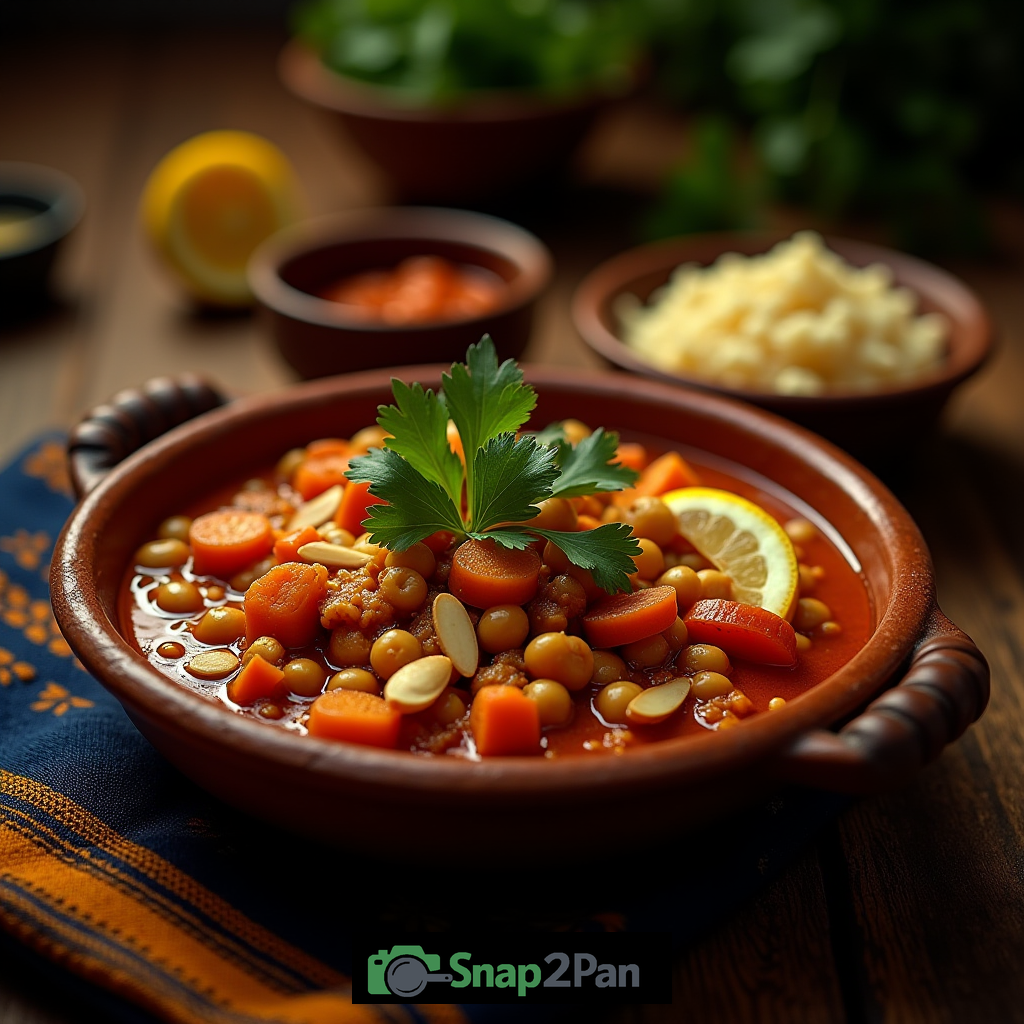
This recipe is born from that intersection. Think of it as a Moroccan fridge meal — the kind of thing you throw together on a Tuesday night when the fridge is looking a little sparse, but you still want something that tastes like it took hours to make. We're borrowing the warm spice palette of a classic Moroccan tagine (cumin, coriander, cinnamon, turmeric, a whisper of paprika) and layering in the kind of hearty, satisfying depth that Gabonese home cooking does so effortlessly. The result? A fragrant, golden stew that works with chickpeas, chicken, lamb, or even just vegetables — whatever you've got.
The best part? No tagine pot required. No special trip to a specialty grocery store. This is weeknight comfort food at its finest, and once you make it, it will absolutely earn a permanent spot in your dinner rotation.
---
Ingredients
Serves 4 | Prep time: 15 minutes | Cook time: 35–40 minutes
The Base:
- 2 tablespoons olive oil (or any neutral oil you have)
- 1 large onion, roughly chopped
- 4 garlic cloves, minced
- 1-inch piece of fresh ginger, grated (or ½ teaspoon ground ginger)
- 1 large carrot, cut into chunky rounds
- 2 stalks of celery, sliced (optional, but adds great body)
- 1½ cups cooked chickpeas (one can, drained and rinsed) — the easiest, most pantry-friendly option
- OR 500g boneless chicken thighs, cut into large chunks
- OR 400g lamb shoulder, cubed
- OR a combination of whatever vegetables are languishing in your crisper drawer
- 1½ teaspoons ground cumin
- 1 teaspoon ground coriander
- 1 teaspoon ground turmeric
- ½ teaspoon ground cinnamon
- 1 teaspoon smoked paprika
- ½ teaspoon ground ginger (skip if using fresh)
- ¼ teaspoon cayenne pepper (adjust to taste)
- Salt and black pepper to taste
- 1 can (400g) crushed or diced tomatoes
- 1½ cups vegetable or chicken stock
- 2 tablespoons tomato paste
- 1 tablespoon peanut butter (this is the Gabon-inspired twist — trust the process)
- 1 teaspoon honey or a few drops of pomegranate molasses (for balance)
- Zest of one lemon
- A handful of dried apricots or golden raisins (very Moroccan — adds sweetness and complexity)
- Fresh cilantro and/or flat-leaf parsley, roughly chopped
- Juice of half a lemon
- Toasted flaked almonds or pumpkin seeds for crunch
- Couscous, flatbread, steamed rice, or crusty bread
- Plain yogurt or a spoonful of harissa on the side
---
Instructions
- Bloom your spices. Heat the olive oil in a large, heavy-bottomed pot or deep skillet over medium heat. Once the oil shimmers, add all your dried spices at once (cumin, coriander, turmeric, cinnamon, paprika, cayenne, and ginger if using dried). Stir constantly for about 60 seconds until the spices are deeply fragrant and smell toasty — almost like a warm hug in vapor form. Don't walk away; this step is quick but critical for unlocking flavor.
- Sauté the aromatics. Add the chopped onion to the spiced oil and stir well to coat. Cook for 5–7 minutes, stirring occasionally, until the onion softens and begins to turn golden at the edges. Add the minced garlic and fresh ginger (if using), and cook for another minute until fragrant.
- Brown your protein (if using meat). If you're using chicken or lamb, push the onion mixture to the sides and add the meat in a single layer. Let it sear undisturbed for 2–3 minutes until it develops a golden crust on one side, then stir everything together. This browning is where a huge amount of flavor is built — resist the urge to stir too soon.
- Build the sauce. Add the tomato paste and stir it into the mixture, letting it cook for 1–2 minutes until it darkens slightly and smells sweet-savory. Pour in the crushed tomatoes and stock. Stir in the peanut butter and honey (or pomegranate molasses), and add the lemon zest. Mix everything thoroughly until the peanut butter is fully incorporated — it will disappear into the sauce and leave behind a velvety, slightly nutty richness that's completely unexpected and completely addictive.
- Add vegetables and chickpeas. Toss in the carrots, celery, and chickpeas (or whatever vegetables you're using). Stir everything together and bring the pot to a gentle boil.
- Simmer low and slow(ish). Reduce heat to low-medium, cover the pot partially, and let everything simmer for 25–30 minutes. Stir every 10 minutes or so. The sauce should thicken beautifully, the carrots should be fork-tender, and the whole pot should smell absolutely incredible — warm, spiced, slightly sweet, deeply savory.
- Add the dried fruit. In the last 10 minutes of cooking, stir in the dried apricots or golden raisins. They'll plump up in the sauce and add little pops of sweetness that balance the spice and acidity perfectly.
- Finish and season. Squeeze in the lemon juice, taste, and adjust seasoning. More salt? A pinch more cayenne? A drizzle more honey if the tomatoes are particularly acidic? Trust your palate here. This is your stew now.
- Garnish and serve. Ladle generously over couscous, rice, or alongside warm flatbread. Top with a shower of fresh cilantro and parsley, a handful of toasted almonds, and a dollop of plain yogurt or harissa if you like heat. Serve immediately and watch everyone go quiet for a few minutes — that's the sign of a truly good meal.
Tips & Variations
1. Make it fully vegan. Skip the meat entirely and use vegetable stock. Double the chickpeas or add a can of lentils. The peanut butter provides plenty of protein and satisfying richness to make this feel substantial without any animal products.
2. Add a preserved lemon. If you happen to have preserved lemons in the back of your fridge (a very Moroccan ingredient), finely chop about a quarter of one and add it in step 4. It adds a complex, briny, citrusy funk that elevates the whole dish instantly.
3. Go heavier on the Gabon side. Want to lean more into the Central African influence? Use full-fat coconut milk in place of half the stock, increase the peanut butter to 3 tablespoons, and serve over plantain rather than couscous. It becomes a completely different but equally spectacular dish.
4. Bulk it up with greens. In the last 5 minutes of simmering, stir in a few big handfuls of baby spinach, chopped kale, or Swiss chard. They'll wilt right into the sauce and add color, nutrition, and a gentle earthiness.
5. Make it ahead for deeper flavor. Like most stews, this one tastes significantly better the next day. If time allows, make it the night before and reheat gently — the spices will have had time to meld and the sauce will be even richer.
---
Storage & Reheating
This stew keeps beautifully and might actually be better as leftovers. Store in an airtight container in the refrigerator for up to 4–5 days. The sauce may thicken considerably as it sits — just add a splash of water or stock when reheating to loosen it back up.
For reheating, warm gently on the stovetop over low-medium heat, stirring occasionally, until heated through. You can also microwave individual portions — cover loosely and heat in 90-second intervals, stirring between each.
For freezing, this dish freezes extremely well (especially the chickpea version — chicken can sometimes become a little soft after freezing). Freeze in individual portions for up to 3 months. Thaw overnight in the fridge and reheat as above. It's an excellent meal-prep freezer stash item.
---
Nutrition Notes
This is one of those dishes that punches well above its weight in terms of nutritional value. Chickpeas are an excellent source of plant-based protein and dietary fiber, supporting digestion and keeping you feeling full for hours. The spice blend — particularly turmeric and ginger — has been celebrated in both traditional Moroccan medicine and modern research for their anti-inflammatory properties. Cumin aids digestion, coriander supports immune function, and cinnamon adds a warmth that's more than just culinary.
The tomato-based sauce delivers a good dose of lycopene, particularly when cooked, while the generous use of fresh herbs at the end adds a hit of vitamins and brightness. Adding leafy greens bumps this up further. If you use olive oil and lean protein, this is a genuinely balanced, nutrient-dense meal that doesn't taste like it's trying to be healthy — it just tastes wonderful.
---
FAQ
Q: I don't have all the spices listed. Can I use a pre-made spice blend instead? Absolutely. Ras el hanout is the classic Moroccan spice blend and works perfectly here — use about 2–2½ teaspoons in place of the individual spices. Baharat or even a good curry powder can also work in a pinch, though they'll shift the flavor profile slightly. The key spices to prioritize if you're working from scratch with a limited pantry are cumin, turmeric, and cinnamon — those three alone will get you most of the way there.
Q: The peanut butter sounds weird in a Moroccan dish. Will it really taste good? This is the most common question and the most common surprise. No, it doesn't taste like peanut butter. When it dissolves into the tomato and stock-based sauce, it essentially acts as a thickener and adds a subtle, nutty creaminess that you can't quite put your finger on. It's similar to how tahini is used in Middle Eastern cooking — it adds body and depth without announcing itself. The Gabonese influence here is intentional and inspired by Central African peanut stews (like Gabon's famous "sauce arachide"), and it genuinely makes the dish more interesting. Try it at least once before deciding it's not for you.
Q: Can I make this in a slow cooker or Instant Pot? Yes to both! For the slow cooker, complete steps 1–4 on the stovetop for maximum flavor development, then transfer everything to the slow cooker and cook on LOW for 6–8 hours or HIGH for 3–4 hours. Add the dried fruit in the last hour. For the Instant Pot, use the sauté function for steps 1–4, then add everything else, seal the lid, and pressure cook on HIGH for 15 minutes (for chicken) or 20 minutes (for lamb or chickpeas from scratch). Let pressure release naturally for 10 minutes before opening.
Q: What if I want to make this more authentically Moroccan and less fusion-y? Swap the peanut butter for a tablespoon of almond butter or omit it entirely. Add a generous pinch of saffron dissolved in a tablespoon of warm water. Include a preserved lemon rind, increase the dried apricots, and finish with a drizzle of argan oil if you can find it. Serve strictly over couscous with a side of harissa and you'll be firmly in classic Moroccan tagine territory — still utterly delicious, just a different kind of journey.