
Trey McBride-Inspired Arizona Fridge Meals: Easy Sonoran Comfort Food You Can Make Tonight
Oct 19, 2026
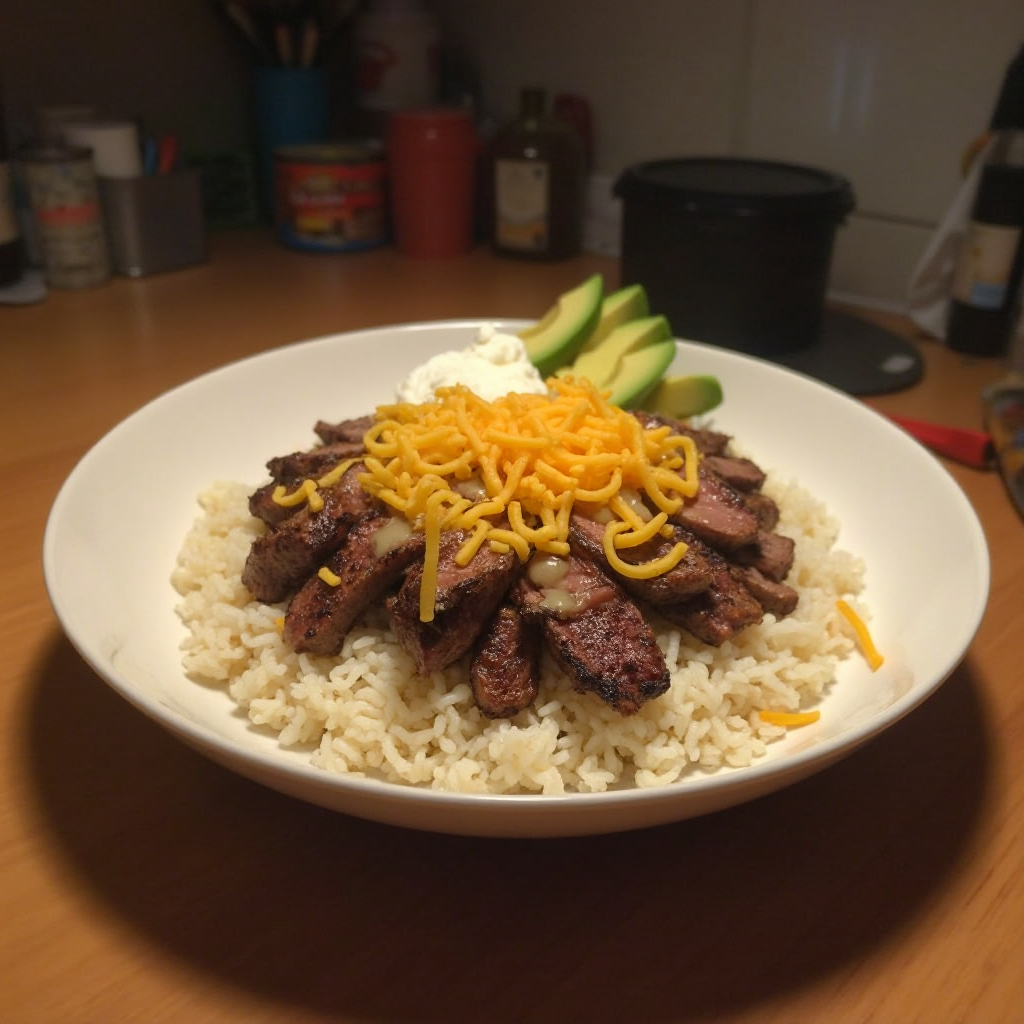
When Arizona Football Meets Arizona Flavor
There's something poetic about Trey McBride — the Fort Collins-born, Arizona-adopted tight end who has quietly become one of the most dependable weapons in the NFL — and the food culture of the state he now calls home. McBride plays with the grit and efficiency of a guy who doesn't need flash to get the job done. He lines up, he works, he delivers. And honestly? That's exactly how Sonoran comfort food works too. No fuss. All flavor. Built to fuel real effort.
Arizona's food scene is one of the most underrated in the country. Tucson is actually a UNESCO City of Gastronomy — one of only a handful in the entire United States — and the Sonoran Desert's culinary traditions run deep: mesquite-smoked meats, flour tortillas so soft they practically melt, green chiles with that low, smoky heat, and beans cooked low and slow until they're silky and rich. This isn't Tex-Mex. This is its own thing, and it deserves its moment in the spotlight.
So tonight, when you're staring into your fridge wondering what to make, let's channel a little McBride energy. These are meals built from what you likely already have on hand — pantry staples, a few proteins, and the kind of bold seasoning that makes ordinary ingredients taste like something special. Let's get into it.
The Star Dish: Sonoran-Style Carne Asada Fridge Bowl
This is the dish. It's the kind of meal that McBride himself would probably demolish after a two-hour practice — high protein, deeply satisfying, and endlessly flexible based on what's hanging around in your refrigerator. The base is marinated and seared skirt steak, served over seasoned rice or warm flour tortillas, topped with whatever you've got: cheese, avocado, pickled jalapeños, sour cream, salsa. This is Sonoran soul food at its most practical.
Ingredients
For the Carne Asada:
- 1.5 lbs skirt steak or flank steak (skirt has more fat and flavor; flank is leaner — both work great)
- 3 tablespoons fresh lime juice (about 2 limes; bottled works in a pinch)
- 2 tablespoons orange juice
- 3 cloves garlic, minced
- 1 teaspoon ground cumin
- 1 teaspoon smoked paprika
- ½ teaspoon dried oregano (Mexican oregano if you have it, regular is fine)
- 1 teaspoon kosher salt
- ½ teaspoon black pepper
- 2 tablespoons neutral oil (vegetable or canola)
- 2 cups cooked white rice (day-old rice from the fridge works even better — it fries up crispier)
- 1 can (15 oz) pinto beans, drained and rinsed
- 1 teaspoon garlic powder
- Salt to taste
- 1 tablespoon butter or oil
- Shredded Monterey Jack or cheddar cheese
- Sour cream or plain Greek yogurt
- Sliced avocado or guacamole
- Pickled jalapeños
- Fresh or jarred salsa
- Chopped white onion and fresh cilantro (optional but highly recommended)
- Warm flour tortillas for serving
Instructions
- Marinate the steak. In a shallow dish or zip-lock bag, combine lime juice, orange juice, minced garlic, cumin, smoked paprika, oregano, salt, pepper, and oil. Add the steak and turn to coat thoroughly. Let it marinate for at least 30 minutes at room temperature, or up to 8 hours in the refrigerator. The citrus acids start breaking down the muscle fibers, and you'll notice the surface of the meat begin to look slightly opaque — that's the magic happening.
- Season and warm the beans. While the steak marinates (or while it rests after cooking), heat a small saucepan over medium heat with a splash of oil or butter. Add the drained pinto beans, garlic powder, and a pinch of salt. Stir and let them warm through for 5–7 minutes, gently mashing a few beans against the side of the pan with your spoon to create a creamy, slightly thickened texture. You want them soft and savory, not soupy.
- Sear the steak. Heat a cast iron skillet or heavy grill pan over HIGH heat until it's smoking — this is non-negotiable for good carne asada. Remove the steak from the marinade and pat it gently dry with paper towels (this helps the sear rather than the steam). Lay the steak in the pan and don't touch it for 3–4 minutes per side. You're looking for a deep mahogany crust, slightly charred at the edges, with that unmistakable sizzle. Internal temperature should reach 130–135°F for medium-rare, which is ideal for skirt steak.
- Rest, then slice. Transfer the steak to a cutting board and let it rest for 5 minutes — this is where the juices redistribute and the steak goes from good to great. Slice thinly against the grain. You'll see the fibers running in one direction; cut perpendicular to them for maximum tenderness. The interior should be a rosy, juicy pink.
- Build your bowl. Start with a scoop of warm rice, add a generous spoonful of beans, then layer on your sliced carne asada. Pile on your toppings: cheese first (so it melts slightly from the heat of the meat), then sour cream, avocado, jalapeños, salsa, onion, and cilantro. Serve with warm flour tortillas on the side — the Sonoran kind, which are thicker and softer than the thin ones you find elsewhere.
- Finish with a squeeze of lime. Right before eating, hit the whole bowl with a fresh squeeze of lime juice. It wakes everything up and ties all the flavors together in a way that feels almost architectural.
Tips & Variations
1. The fridge hack is real. This recipe is specifically designed around fridge staples. Leftover rice, a can of beans, an avocado on its last legs, a block of cheese you bought for another purpose — all of it belongs here. Think of this as an Arizona clean-out bowl.
2. Go Sonoran with the tortilla. If you can find Sonoran-style flour tortillas at a local Mexican market or even online, use them. They're thicker, slightly chewy, and have a buttery richness that makes store-brand flour tortillas feel thin by comparison. In a pinch, warm your regular flour tortillas in a dry skillet until they get small brown spots — this wakes them up considerably.
3. The marinade doubles as a sauce. Make extra marinade (keeping it separate from the raw meat) and use it as a finishing drizzle over the bowl. The citrus and garlic brighten the whole dish.
4. Make it a burrito. This bowl filling wraps beautifully into a large flour tortilla for a handheld meal. Lay out your tortilla, add rice, beans, steak, and toppings, fold in the sides, and roll tightly. Toast it seam-side down in a dry skillet for 2 minutes to seal it — this is the move.
5. Spice it to your level. McBride plays it cool under pressure; your heat level is your business. Add a diced serrano or a spoonful of salsa verde to the beans if you want more fire. A drizzle of Valentina hot sauce at the end is peak Arizona table tradition.
Storage & Reheating
This meal was practically designed for leftovers. Store each component separately in airtight containers in the refrigerator for up to 4 days. The steak actually improves overnight as the juices redistribute — cold carne asada sliced thin on a fresh tortilla with a little salsa is one of life's underrated pleasures.
To reheat the steak, skip the microwave if you can. A hot skillet with a tiny splash of water, covered for 60 seconds, brings it back without drying it out. The rice and beans reheat perfectly in the microwave with a damp paper towel draped over the top to trap steam. Keep toppings like avocado and sour cream separate until serving.
The steak can also be frozen for up to 2 months. Slice it before freezing for easier portioning, and thaw overnight in the refrigerator.
Nutrition Notes
This is a genuinely balanced meal without trying too hard. Skirt steak is a great source of complete protein and iron — important for anyone with an active lifestyle (or, you know, anyone trying to play tight end at an elite NFL level). Pinto beans bring fiber and plant-based protein to the table, plus they're remarkably filling without being heavy. The avocado toppings add heart-healthy monounsaturated fats, and the citrus marinade means you're getting vitamin C alongside that iron, which actually helps absorption. If you're watching sodium, use low-sodium beans and ease up on the salt in the marinade — the citrus does a lot of flavor lifting on its own.
FAQ
Q: Can I use chicken instead of beef for the carne asada? Absolutely — and it's delicious. Boneless, skinless chicken thighs marinate beautifully in the same citrus-cumin mixture. Cook them in a hot skillet for about 6–7 minutes per side until the internal temperature hits 165°F and the exterior is deeply golden and slightly charred. Slice or chop them up for the bowl. Chicken breast works too but tends to dry out faster, so watch it carefully.
Q: I don't have a cast iron skillet. Can I still make this? Yes! Any heavy-bottomed skillet — stainless steel or even a good nonstick — will work. The key is getting the pan as hot as possible before adding the meat. An outdoor grill is also fantastic for carne asada and gives you those beautiful char marks that are so quintessentially Sonoran. If you're grilling, cook over direct high heat and use the same timing.
Q: What makes Sonoran food different from Tex-Mex? Great question. Sonoran cuisine is a regional tradition rooted in the borderlands of southern Arizona and the Mexican state of Sonora. It features flour tortillas (not corn, which is more associated with interior Mexico), beef as the dominant protein due to ranching culture, and ingredients like mesquite, cactus, and Anaheim chiles. It's less cheese-heavy than Tex-Mex and more focused on the quality of the protein and the depth of the seasonings. Tucson's UNESCO designation specifically honors this living culinary tradition.
Q: Can I meal prep this for the week? This is one of the best meals to batch cook on a Sunday. Double the steak and marinade, cook a big pot of rice, and prep two cans of beans. Store everything separately and you have the foundation for bowls, burritos, tacos, and quesadillas all week long. The steak keeps well for 4 days in the fridge and the components are mix-and-match friendly — different toppings each night keep it feeling fresh.