
Roma vs Barcelona: Italian-Spanish Fridge Meals That Will Change Your Weeknight Forever
Sep 30, 2026
# Roma vs Barcelona: Italian-Spanish Fridge Meals That Will Change Your Weeknight Forever
There's a reason people return from Rome and Barcelona absolutely obsessed with the food. It's not just the atmosphere — the cobblestone alleys, the piazzas, the ramblas buzzing at midnight. It's the philosophy. Both cities have quietly mastered the art of making extraordinary food from humble, everyday ingredients. A Roman nonna doesn't need a grocery run; she needs good pasta, aged cheese, and black pepper. A Barcelona abuela doesn't need a recipe — she needs olive oil, potatoes, and that smoky paprika she keeps next to the stove.
The beautiful secret? These two culinary traditions, separated by the Mediterranean, are more alike than they are different. Both prize simplicity. Both worship quality ingredients. Both believe dinner should be deeply satisfying without requiring a culinary degree or a trip to a specialty store. Tonight, we're pulling inspiration from both cities and letting them meet on your kitchen counter — in a meal that bridges a silky, garlic-kissed pasta with crispy, smoky tapas bites that disappear the second they hit the table.
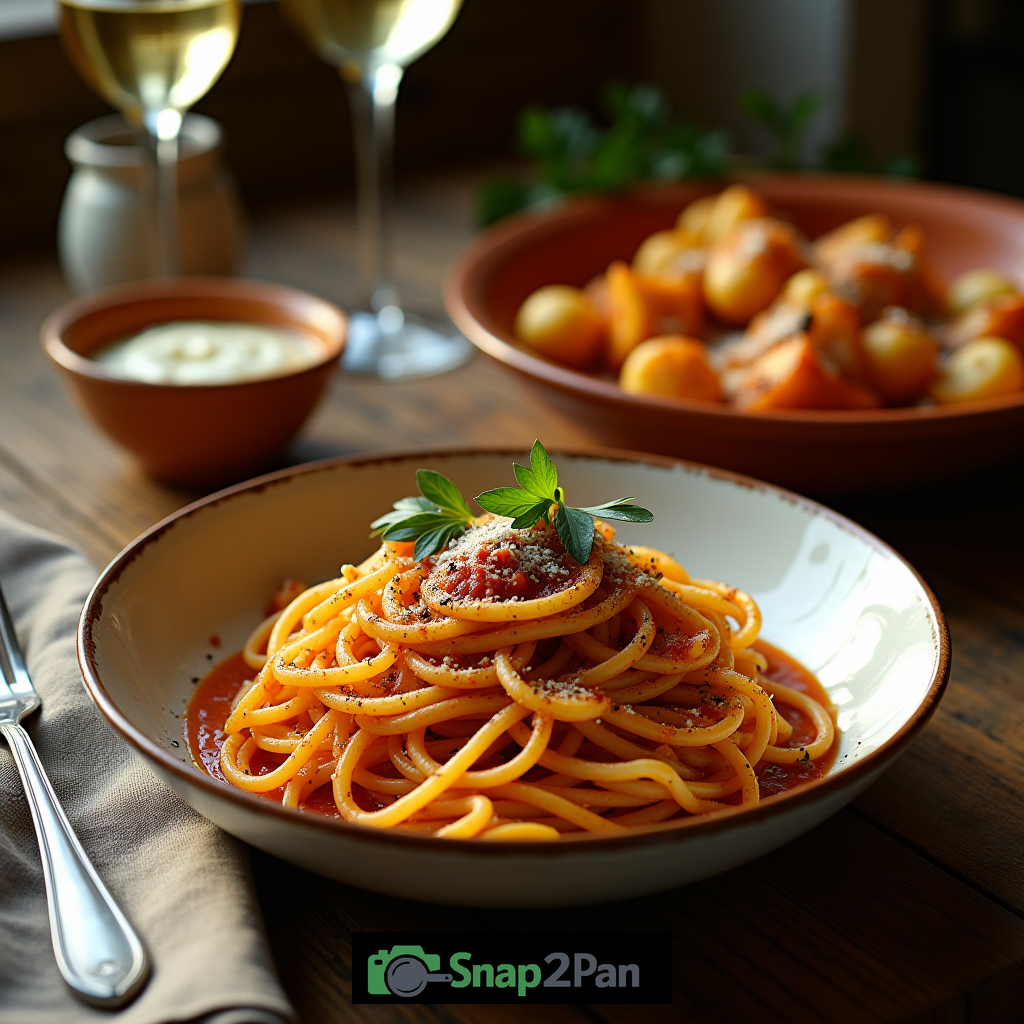
This isn't a complicated fusion experiment. This is a real-life weeknight dinner built for the moments when your fridge looks thin but your appetite is serious. We're talking a classic Roman-style pasta (think cacio e pepe vibes with a Spanish smoky twist) alongside crispy patatas bravas with a garlicky aioli that takes five minutes to make. Together, they create a dinner that feels like you've traveled without leaving your kitchen. Let's get into it.
---
Ingredients
For the Roma-Inspired Smoky Pasta (serves 2–3)
- 250g (9 oz) spaghetti or rigatoni — spaghetti is more Roman, rigatoni is chunkier and holds sauce beautifully; use what you have
- 3 tablespoons olive oil — extra virgin, ideally, but regular works
- 4 cloves garlic, thinly sliced
- 1 teaspoon smoked paprika (pimentón) — this is the Barcelona wink to the Roman classic
- ½ teaspoon dried chili flakes — optional, but recommended
- 80g (about ¾ cup) Pecorino Romano or Parmesan, finely grated — Pecorino is more authentic to Rome; Parmesan is milder and fine as a sub
- 1 egg yolk — adds richness and helps bind the sauce
- ½ cup pasta cooking water, reserved (this is non-negotiable — it's liquid gold)
- Salt and black pepper to taste — be generous with the pepper
- Fresh parsley for garnish, optional
For the Barcelona-Inspired Patatas Bravas with Aioli (serves 2–3)
- 500g (about 1 lb) baby potatoes or regular potatoes, cut into 3cm chunks
- 3 tablespoons olive oil
- 1 teaspoon smoked paprika
- ½ teaspoon garlic powder
- Salt to taste
- 3 tablespoons mayonnaise (shortcut aioli base — traditional takes more time)
- 1 clove garlic, finely grated or minced
- 1 teaspoon lemon juice
- 1 teaspoon olive oil
- Pinch of smoked paprika
- Salt to taste
- 2 tablespoons tomato paste or crushed canned tomatoes
- 1 teaspoon smoked paprika
- ½ teaspoon cayenne or chili powder
- 1 teaspoon red wine vinegar
- 1 tablespoon olive oil
- Pinch of sugar
Instructions
Step 1: Start the Potatoes First
Preheat your oven to 220°C (425°F) — you want it screaming hot for crispy results. While the oven heats, cut your potatoes into roughly equal chunks so they cook evenly. Toss them in a large bowl with olive oil, smoked paprika, garlic powder, and a generous pinch of salt. Spread them out in a single layer on a baking tray — and here's the key — don't crowd them. If they're touching, they'll steam instead of roast, and you'll lose that gorgeous golden crust.
Roast for 30–35 minutes, flipping once halfway through, until they're deeply golden at the edges and crispy on the outside but fluffy inside. You'll know they're ready when your kitchen smells like a tapas bar and you can't resist poking one.
Step 2: Make Your Sauces While the Potatoes Roast
For the quick aioli, combine mayonnaise, grated garlic, lemon juice, olive oil, smoked paprika, and salt in a small bowl. Stir well, taste, and adjust. It should be garlicky, slightly tangy, and have a beautiful rust-toned color. Cover and refrigerate until serving — it actually gets better as it sits.
For the bravas sauce, heat a small pan over medium heat with the olive oil. Add the tomato paste and stir for about 1 minute until it darkens slightly and smells sweet and toasty. Add the smoked paprika, cayenne, red wine vinegar, and sugar. Stir together and cook for 2 more minutes. Season to taste. Set aside — it can be served warm or at room temperature.
Step 3: Get Your Pasta Water On
Bring a large pot of water to a boil and salt it aggressively — it should taste like the sea. This isn't an exaggeration; properly salted pasta water is the foundation of Roman pasta cooking. Once boiling, add your pasta and cook until just al dente — usually 1–2 minutes less than the package suggests, because it will finish cooking in the sauce.
Critical move: Before you drain the pasta, scoop out at least ½ cup of that starchy cooking water and set it aside. You'll thank yourself in about three minutes.
Step 4: Build the Roman-Spanish Pasta Sauce
While the pasta cooks, heat olive oil in a large skillet or wide pan over medium-low heat. Add the sliced garlic and chili flakes. Cook slowly — you want the garlic to turn pale golden and fragrant, about 3–4 minutes. This is not the time to multitask; burned garlic means starting over. When the garlic is lightly golden and the oil smells sweetly of it, add the smoked paprika. Stir for just 30 seconds — paprika blooms fast in hot oil and can turn bitter if left too long.
Reduce heat to low. Add your drained pasta directly to the pan (shake off most but not all the water). Add a big splash — about ¼ cup — of pasta cooking water. Toss everything together vigorously. Remove the pan from heat entirely before adding the egg yolk and grated cheese; residual heat is enough, and you don't want scrambled eggs. Add the yolk and half the cheese, tossing quickly and continuously, adding more pasta water a tablespoon at a time until you have a silky, cohesive sauce that clings to every strand. Add the remaining cheese, toss again, and season heavily with black pepper and salt.
Step 5: Plate and Serve Together
Pile the pasta into bowls with a crack of black pepper and a sprinkle of fresh parsley. Pull the patatas bravas from the oven — golden, crispy, and irresistible — and plate them alongside or on a separate share plate. Spoon the aioli over or beside the potatoes, and drizzle the bravas sauce over the top. Serve immediately. Pour yourself a glass of something you love.
---
Tips & Variations
1. The pasta water trick is everything. Don't skip saving your pasta water. The starch it contains is what turns your cheese and oil into a creamy sauce rather than a greasy, clumpy mess. It's the Roman secret that every home cook should know by heart.
2. Add protein easily. Crispy pancetta or guanciale stirred into the pasta makes it closer to an amatriciana. Sliced chorizo tossed with the potatoes before roasting turns the tapas into a heartier meal. Both additions require zero extra effort.
3. Make it vegetarian or vegan. Skip the egg yolk and use a tablespoon of nutritional yeast plus extra pasta water for a vegan pasta. For vegan aioli, use plant-based mayo — it works beautifully.
4. Go full tapas spread. If you're feeding a crowd or feeling festive, add quick tapas alongside the bravas: a plate of marinated olives, some crusty bread rubbed with tomato (pan con tomate), and a few slices of manchego. Suddenly your weeknight dinner becomes a leisurely spread.
5. Spice level is yours to control. The chili flakes in the pasta and cayenne in the bravas sauce are adjustable. For kids or spice-sensitive eaters, skip both — the smoked paprika alone carries enormous flavor without any heat.
---
Storage & Reheating
Pasta: Store leftover pasta in an airtight container in the fridge for up to 2 days. When reheating, add a splash of water (or broth) to a pan, add the pasta, and toss over medium-low heat until warmed through and the sauce becomes silky again. Microwaving works but can make the cheese clump — the stovetop method is worth the extra minute.
Patatas Bravas: Store cooled potatoes in an airtight container for up to 3 days. Reheat in the oven at 200°C (400°F) for 10–12 minutes or in an air fryer for 5–7 minutes to bring back the crispiness. Avoid the microwave if you care about texture — it turns them into soft, sad lumps.
Aioli and Bravas Sauce: Both keep in the fridge for up to 5 days in sealed jars. The aioli actually deepens in garlicky flavor overnight. The bravas sauce reheats beautifully in a small pan.
---
Nutrition Notes
This meal is built around wholesome, real ingredients — which is exactly the Roman and Spanish approach to eating. Olive oil is a heart-healthy fat central to Mediterranean diets in both Italy and Spain, and it's the backbone of every component here. Potatoes, despite their reputation, are a naturally filling and nutrient-dense vegetable that provides sustained energy. Pasta made from semolina wheat offers complex carbohydrates, and when eaten al dente and coated in a sauce made with egg yolk and aged cheese, it delivers both protein and satisfying fat in reasonable portions. Smoked paprika — the hero spice of this recipe — is rich in antioxidants. This is a dinner that satisfies deeply without leaving you feeling heavy, which is exactly the Mediterranean way: eat with pleasure, eat with balance, eat together.
---
FAQ
Q: Can I use any pasta shape for the Roman-style pasta? A: Absolutely. While spaghetti is traditional for cacio e pepe-style Roman pasta, rigatoni, bucatini, tonnarelli, or even penne work wonderfully. The key is using a dried pasta made from durum wheat semolina — it holds up better, cooks more evenly, and releases more starch into your cooking water, which is critical for sauce-making. Fresh pasta can be used but cooks much faster and produces less starchy water, so adjust accordingly.
Q: My pasta sauce turned out clumpy and dry — what went wrong? A: This is the most common pasta-making frustration, and it almost always comes down to two things: heat and hydration. If the pan is too hot when you add the egg and cheese, they'll scramble or seize. Always remove the pan from heat before adding those ingredients. If the sauce is still too thick or clumpy, add pasta cooking water a tablespoon at a time and toss vigorously — the starchy water is emulsifying the fat and cheese into a smooth sauce. It's a bit like magic, but it requires movement and patience.
Q: Can I make this dinner ahead for guests? A: The patatas bravas are actually ideal for entertaining because you can par-cook the potatoes (about 20 minutes) up to an hour ahead, then blast them in the hot oven for 10–15 minutes right before serving. The aioli and bravas sauce can be made entirely in advance — they're better the next day. The pasta, however, is best made fresh and served immediately. It loses its silky texture quickly, so plan to make it last, just before everyone sits down. It only takes about 15 minutes, so it's very manageable.
Q: I don't have smoked paprika — can I still make this recipe? A: Yes! Smoked paprika is the star spice here, but you can approximate its flavor with a combination of regular sweet paprika plus a tiny pinch of cumin and a drop of liquid smoke if you have it. Alternatively, if you have chipotle powder, a very small amount adds smokiness with extra heat. In a real pinch, just use regular paprika — you'll lose the smoky depth but the dish will still be delicious. Many supermarkets stock smoked paprika (pimentón) in the spice aisle, so it's worth grabbing a tin — it transforms everything from roasted vegetables to eggs to marinades.